Wei Jin Dynasty Hanfu
Showing 1–60 of 92 results


- Price range: $33.00 through $85.00


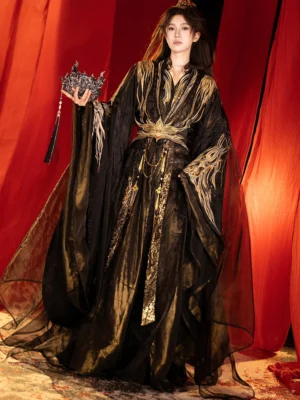
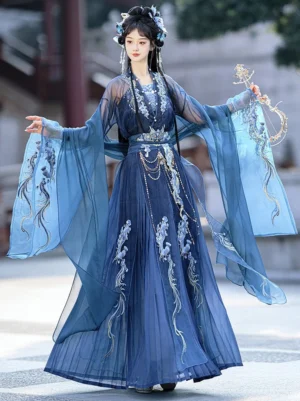
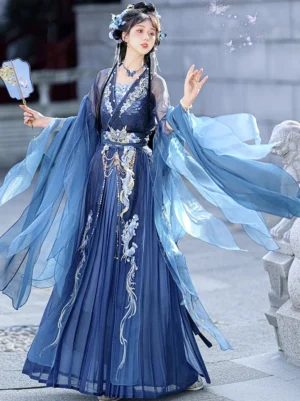
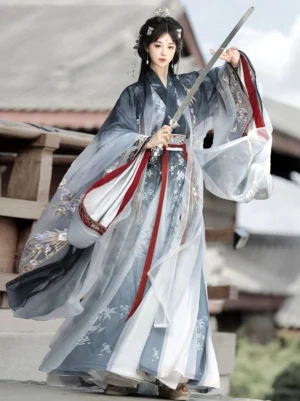
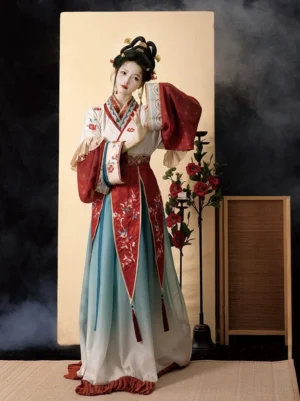
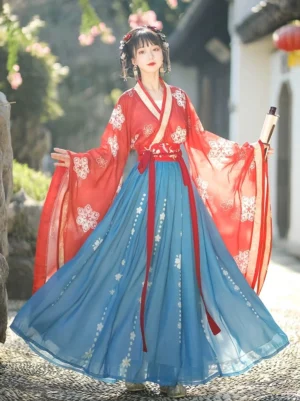
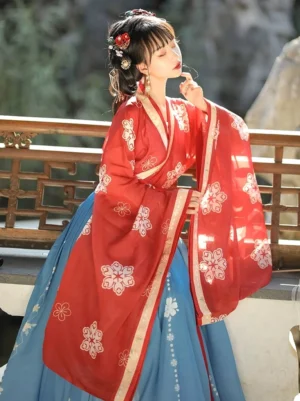
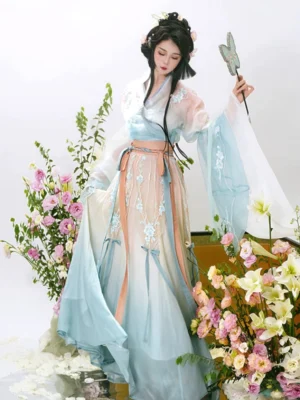
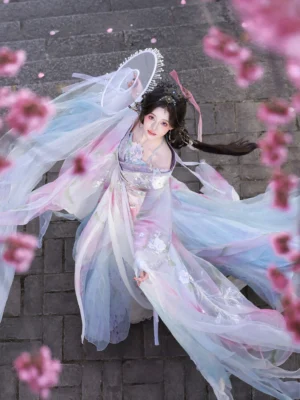
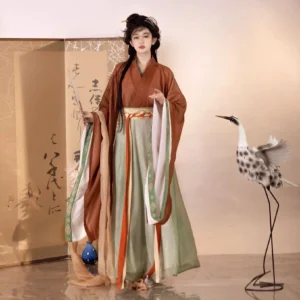
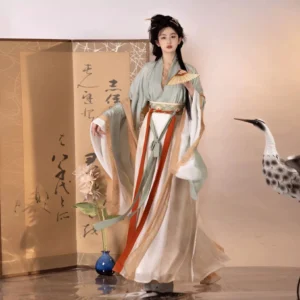
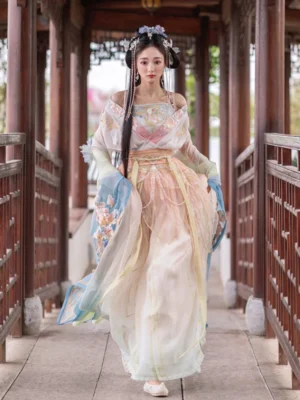
Showing 1–60 of 92 results
Wei Jin Dynasty Hanfu: Ethereal Grace and Flowing Silhouettes
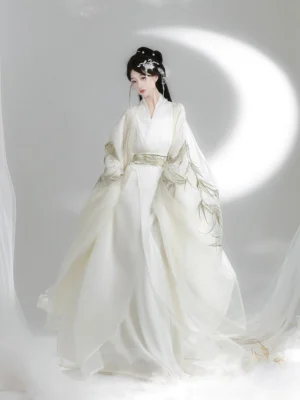
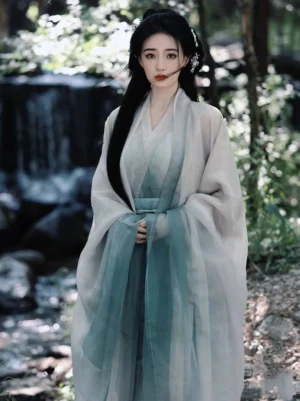
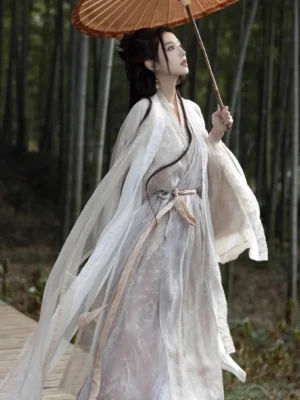
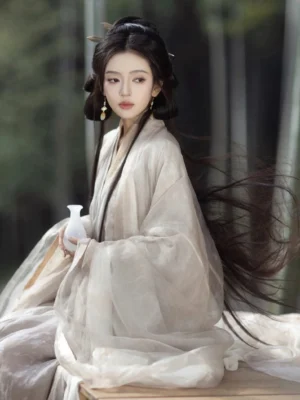
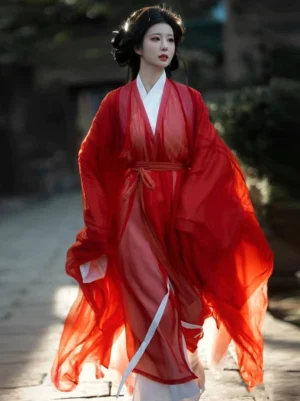
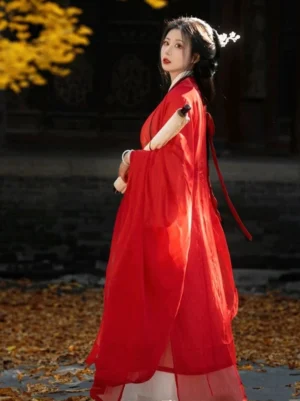
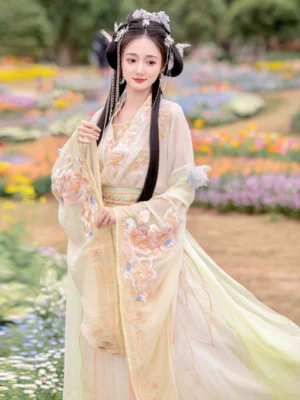
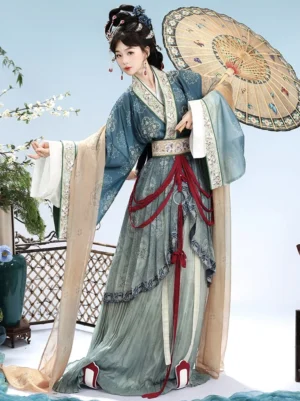
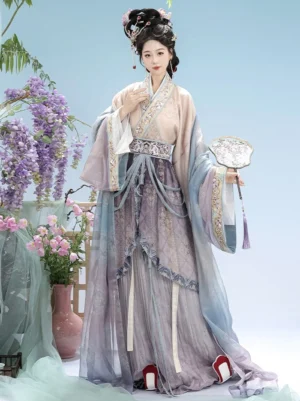
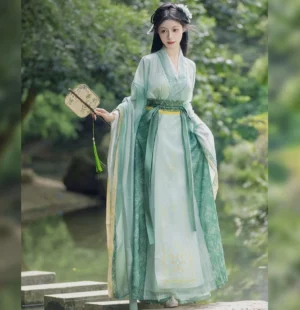
The Wei, Jin, and Northern and Southern Dynasties (220–589 CE) was a period of political fragmentation but immense artistic and cultural flourishing in China. Reflecting the era’s philosophical shift towards Taoism, individualism, and a deep appreciation for nature, Wei Jin Dynasty Hanfu is celebrated for its unstructured, flowing, and ethereal aesthetic. Often referred to as “Wei Jin Feng” (魏晋风), this style embraces wide sleeves, trailing skirts, and layered, breezy fabrics. Whether you are capturing the elegance of an ancient scholar, the mystique of a Xianxia immortal, or the grace of a traditional dancer, our collection offers unparalleled authenticity and beauty.
Key Silhouettes of Wei Jin Dynasty Hanfu
Moving away from the rigid structures of the Han Dynasty, Wei Jin fashion prioritized comfort, drape, and visual lightness.
1. The Qiyao Ruqun (齐腰襦裙)
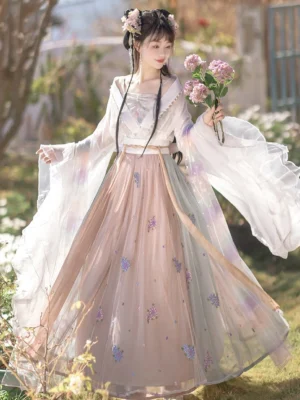
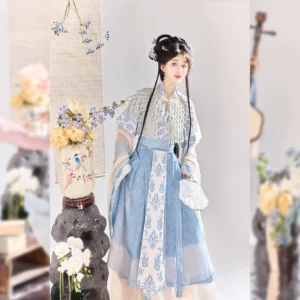
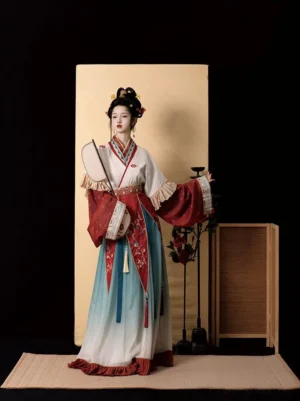
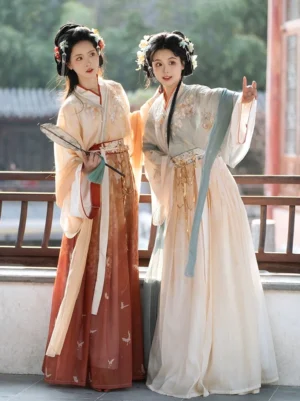
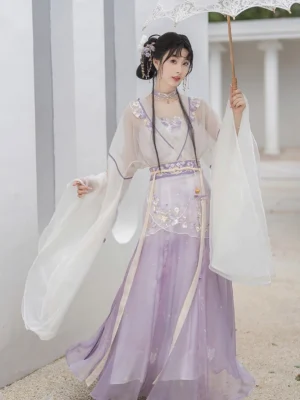
The defining garment of the era for women, the Qiyao Ruqun consists of a short upper garment (Ru) paired with a skirt (Qun) tied at the natural waist.
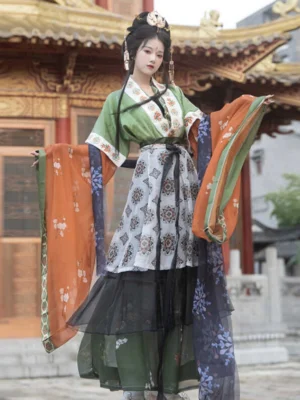
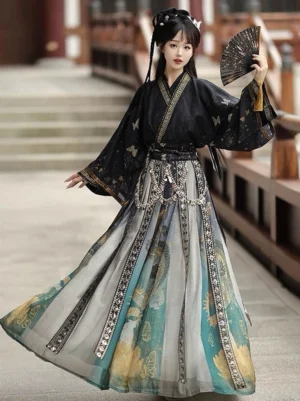
The Cross-Collar Top (Jiaoling Ru): Unlike the chest-high skirts of the Tang Dynasty, the Wei Jin style features a neat cross-collar top tucked securely into the waistband of the skirt.
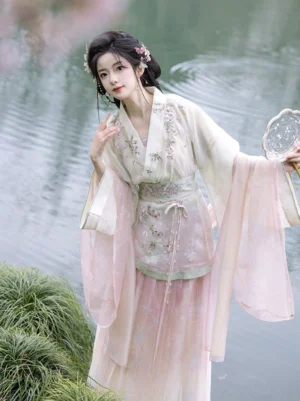
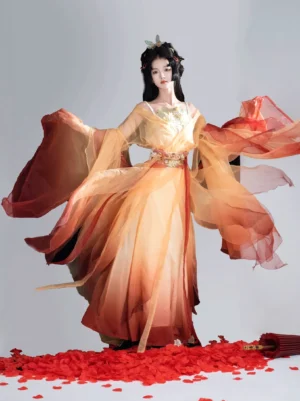
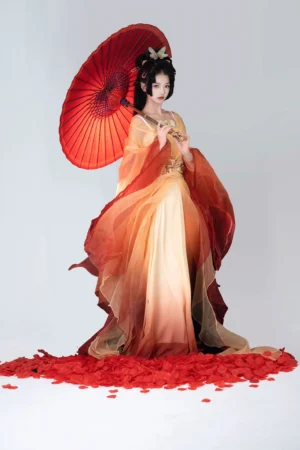
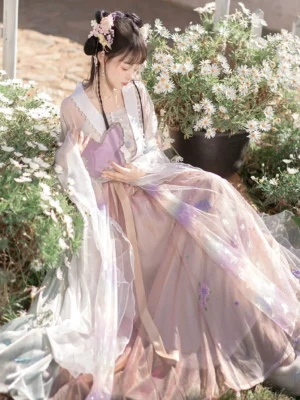
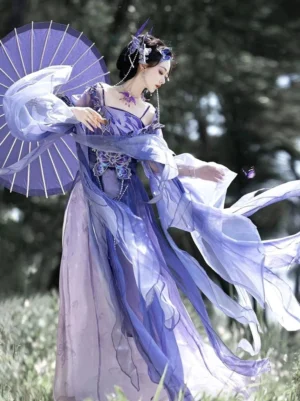
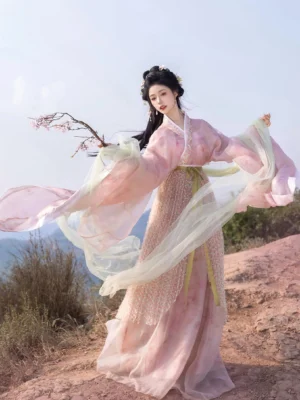
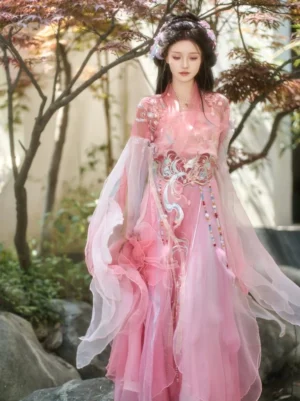
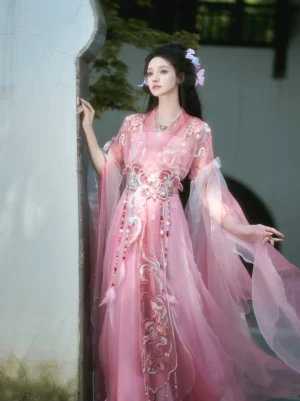
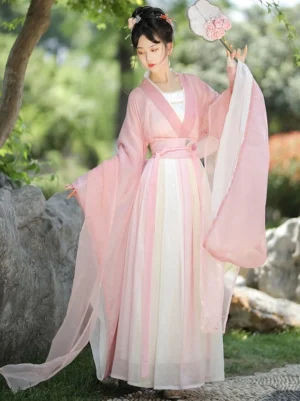
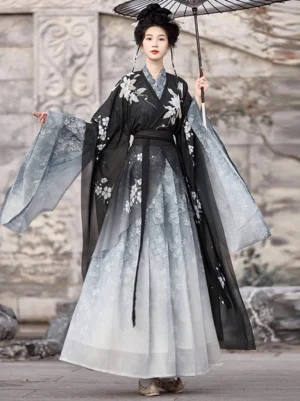
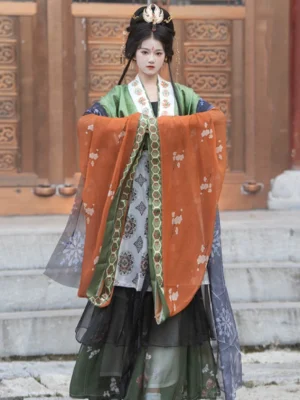
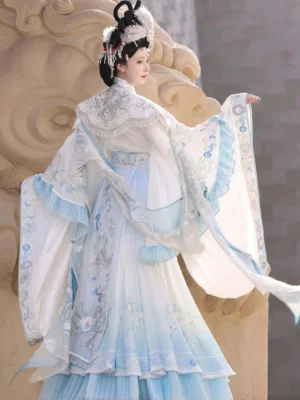
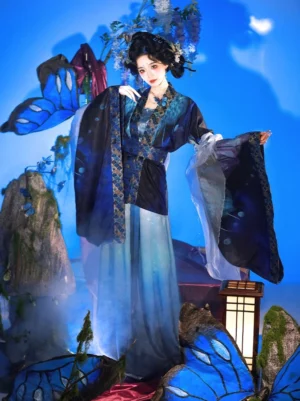
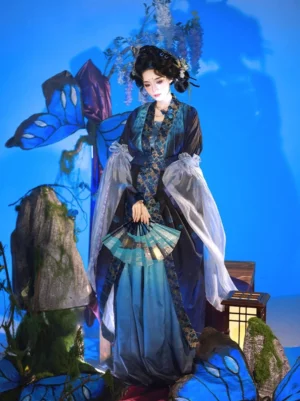
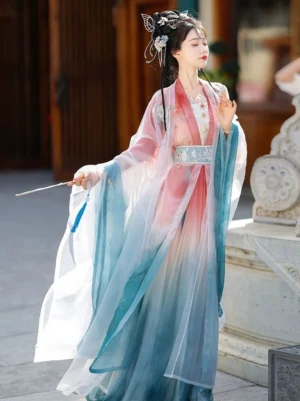
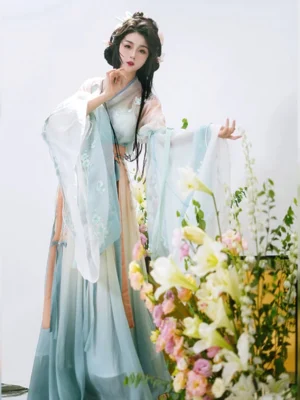
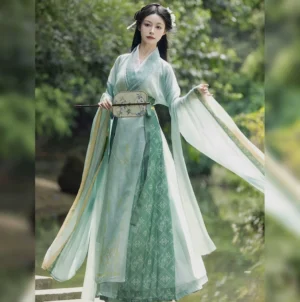
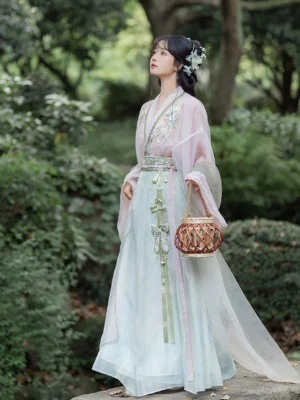
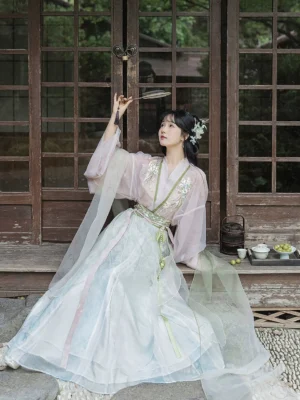
The Layered Skirt: Wei Jin skirts often feature multiple layers of lightweight fabrics, sometimes designed as a “pojian” (破裙) or gored skirt, creating a flared, voluminous hem that moves beautifully with the wearer. Explore sets like the Luo Shen Qiyao Ruqun or the Night Butterfly Gradient Set for stunning examples.
2. Wide Flowing Sleeves (Daxiu)
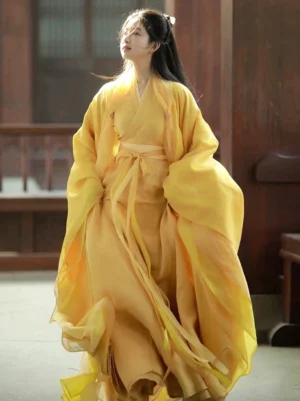
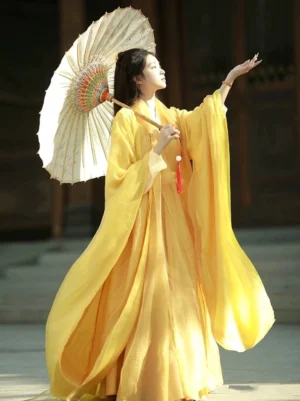
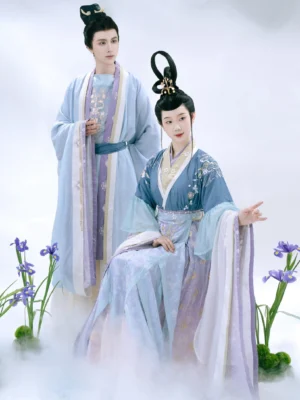
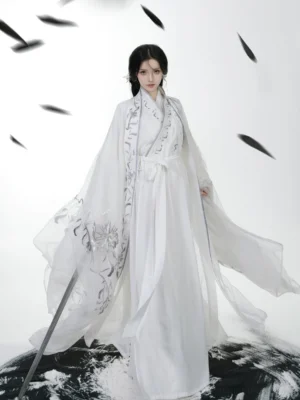
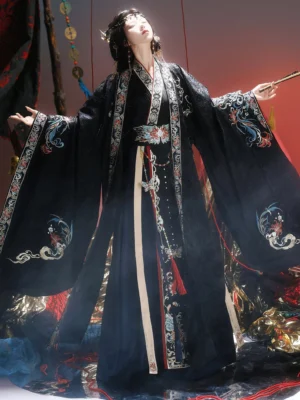
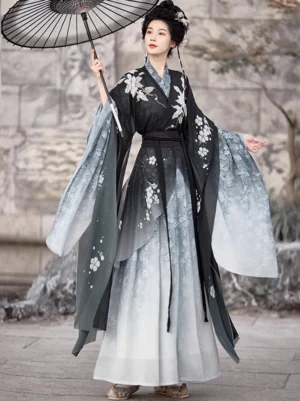
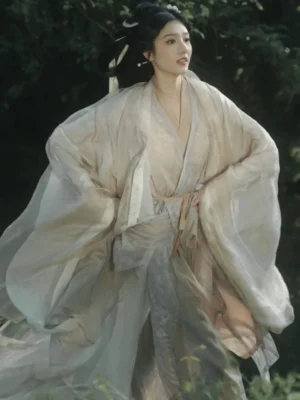
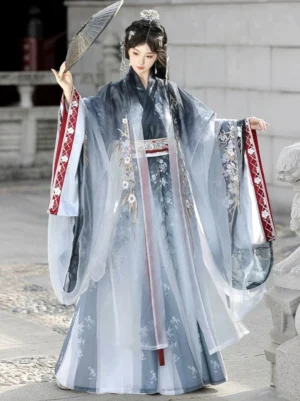
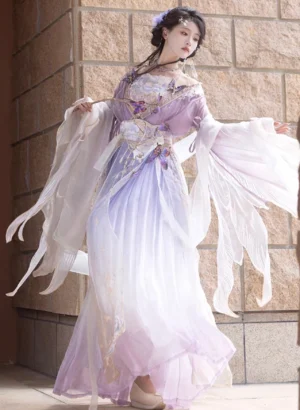
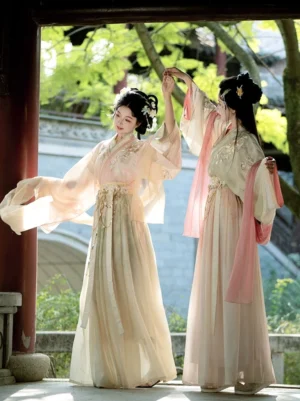
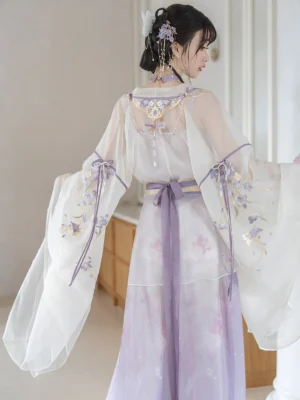
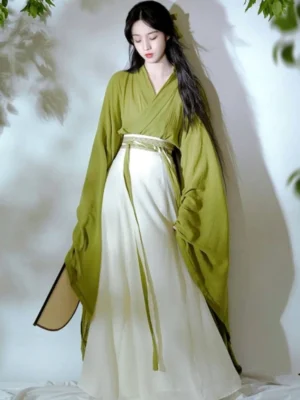
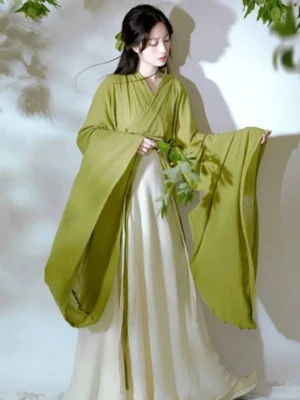
The defining feature of “Wei Jin Feng” is the exaggeration of the sleeves. Large, open sleeves that trail gracefully when the arms are lowered create a sense of effortless elegance and otherworldly beauty.
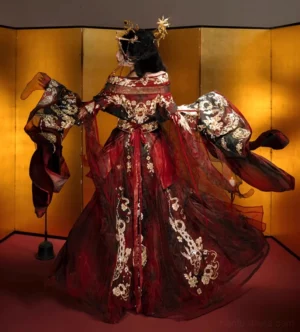
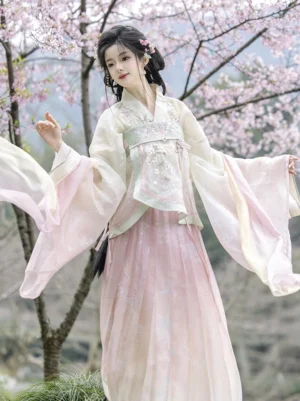
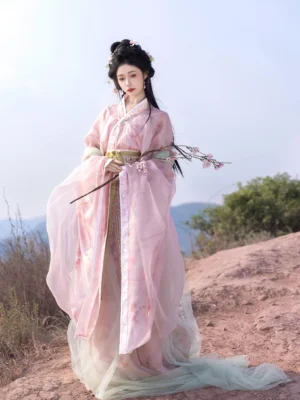
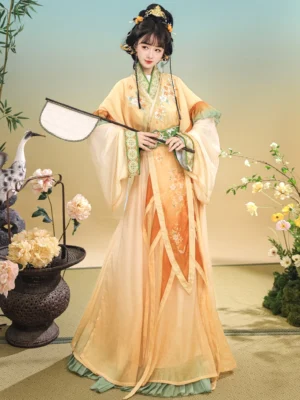
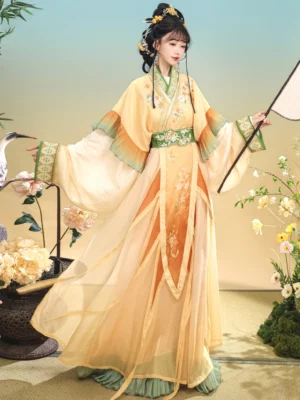
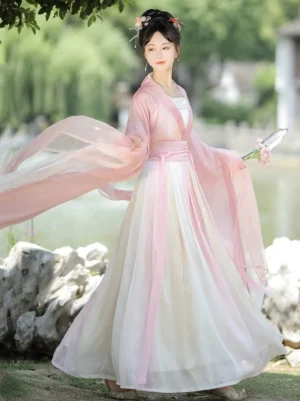
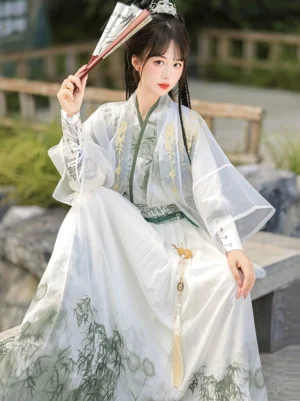
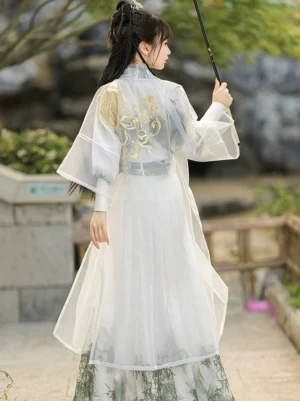
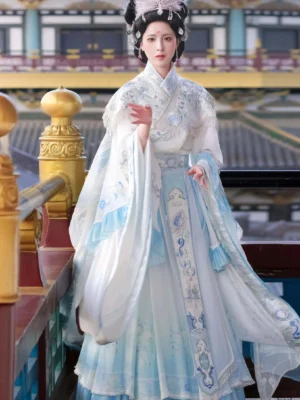
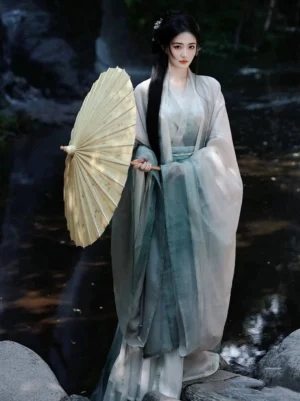
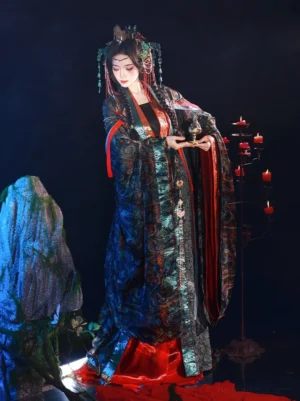
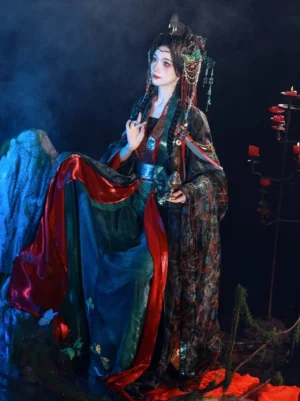
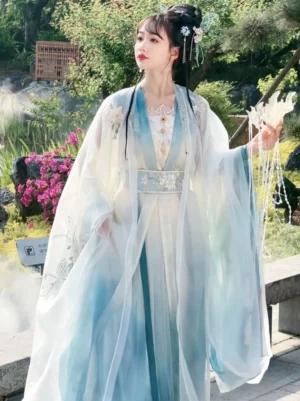
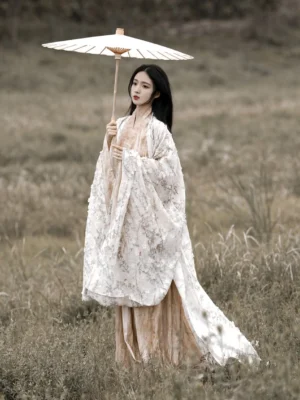
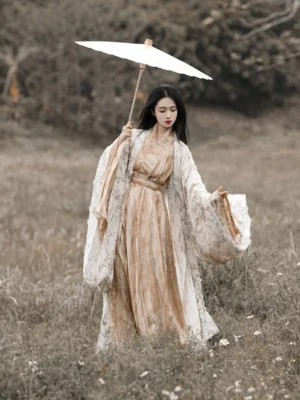
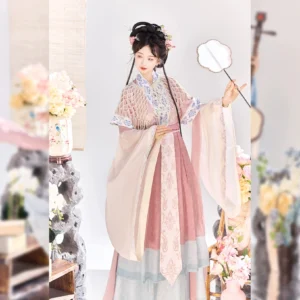
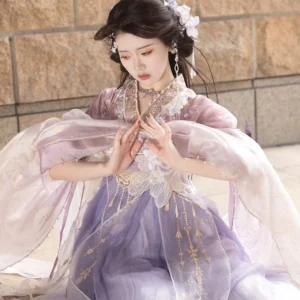
Layering: These wide sleeves are often layered, with a sheer outer robe revealing contrasting inner sleeves, as seen in the Golden Meadow Hanfu Robe and the Roselle Pink Set.
3. The Xianxia & Wuxia Aesthetic
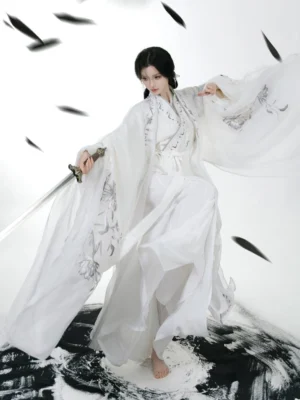
The sweeping, unstructured lines of Wei Jin Hanfu make it the premier choice for Chinese fantasy (Xianxia) and martial arts (Wuxia) styling in modern media.
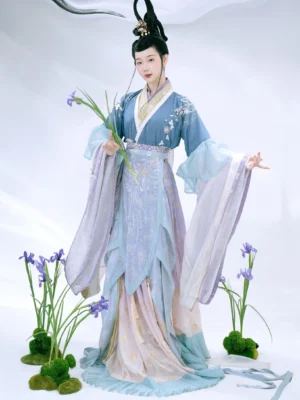
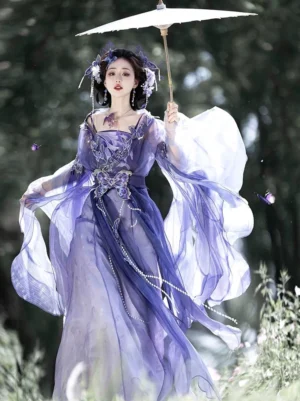
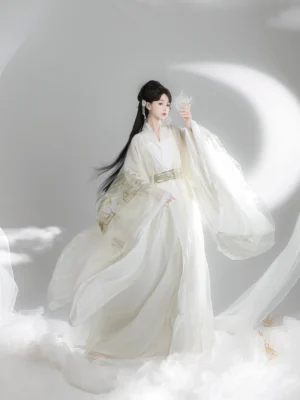
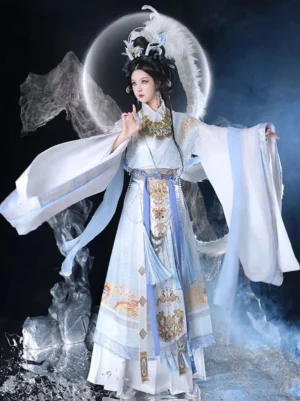
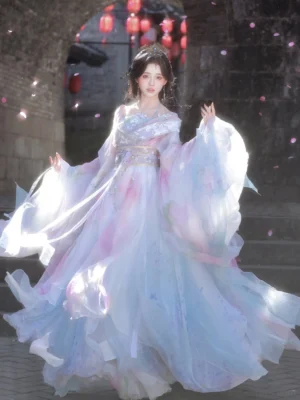
Immortal Fantasy: For an ethereal, heavenly look, explore the Moon Fox Embroidered Set or the Blue Moon Lake Gradient Robe.
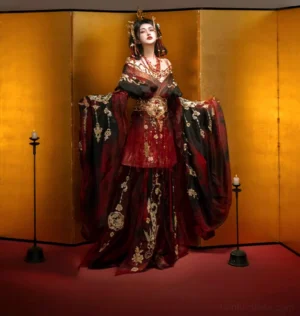
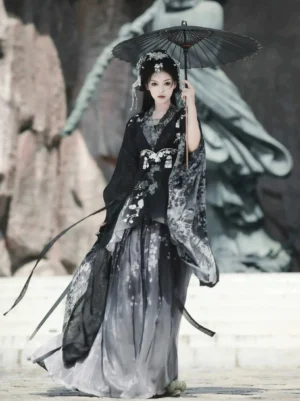
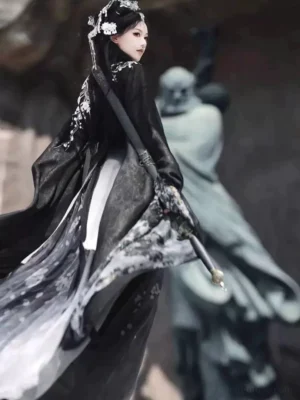
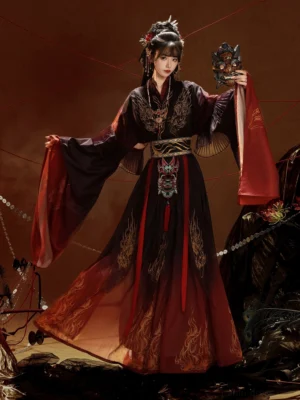
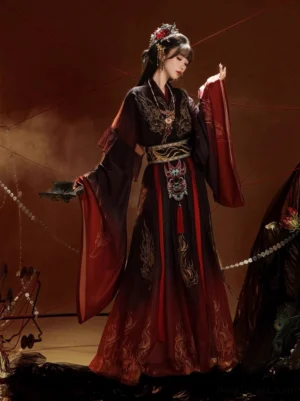
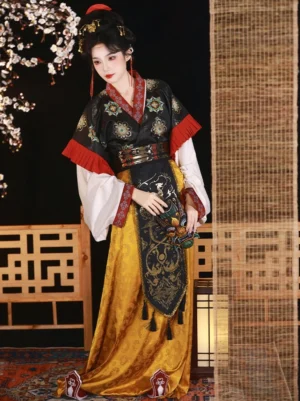
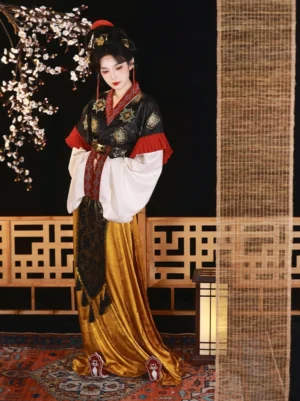
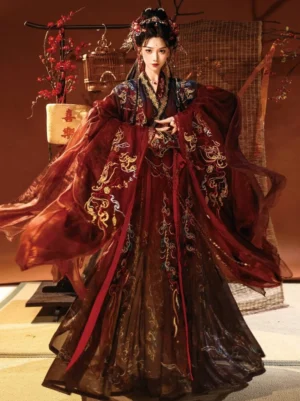
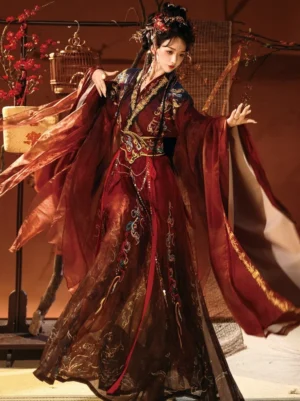
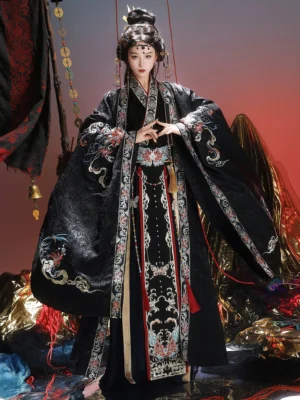
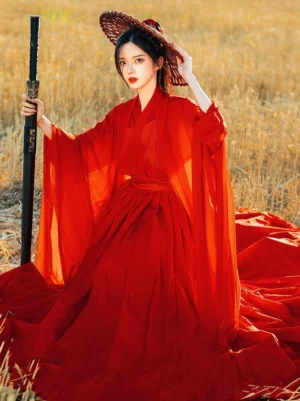
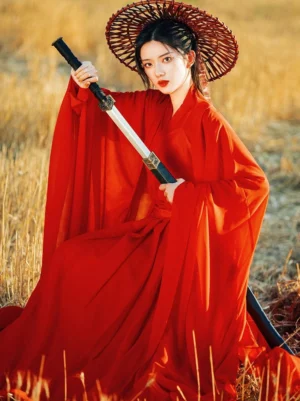
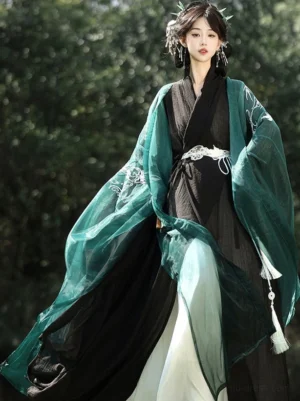
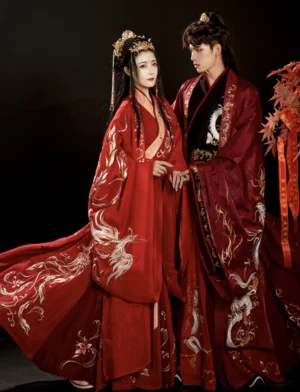
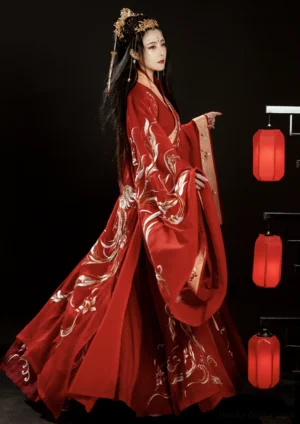
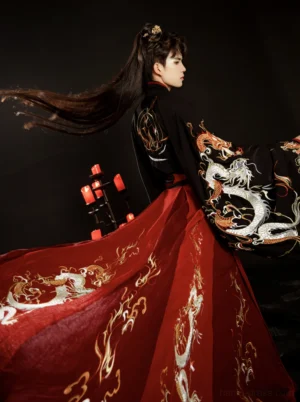
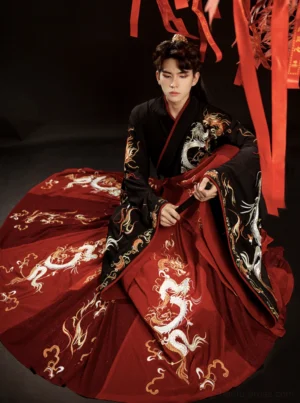
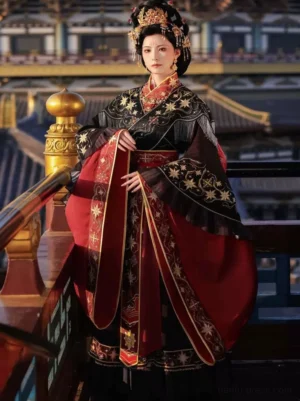
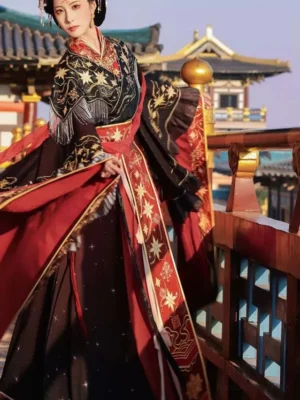
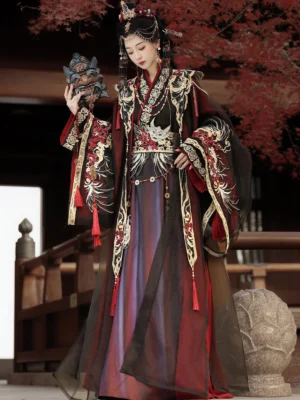
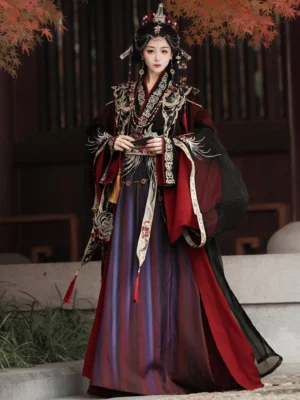
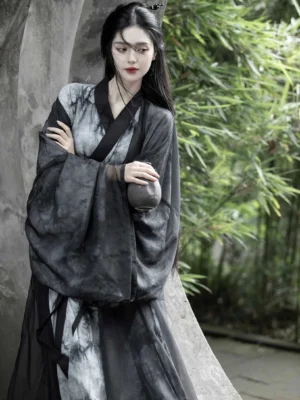
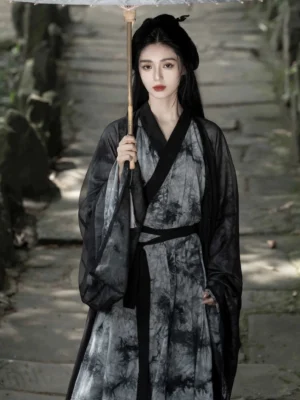
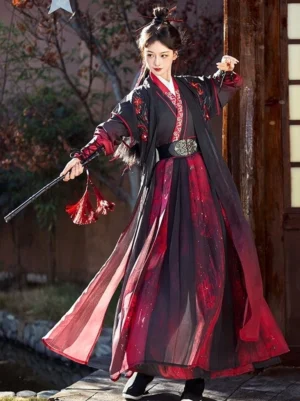
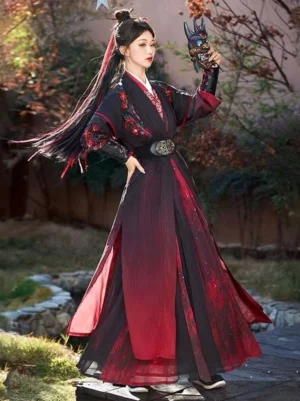
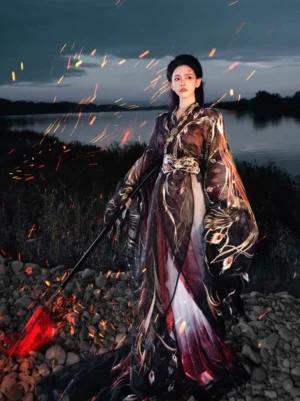
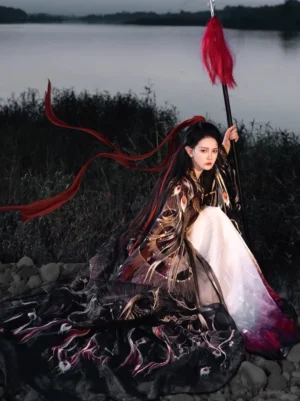
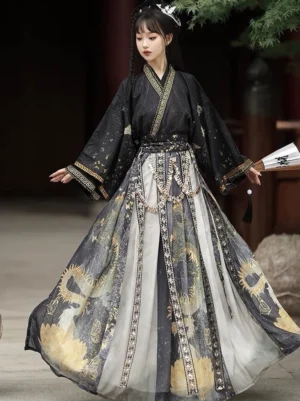
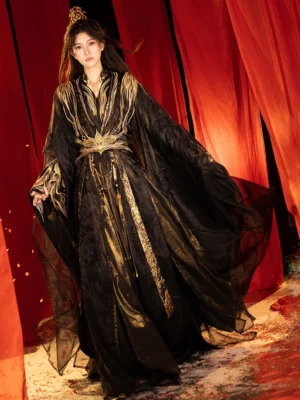
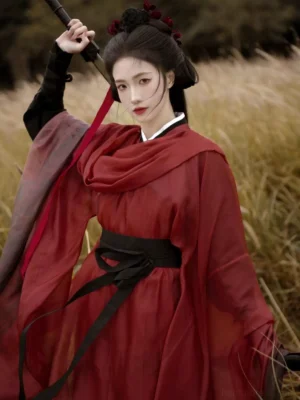
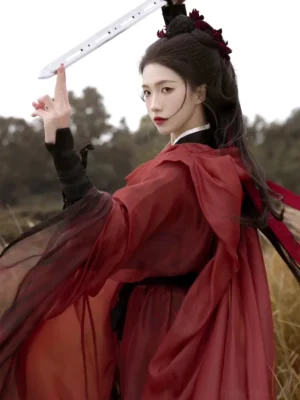
The Wandering Warrior: To achieve the look of a chivalrous swordswoman, darker palettes and structured accessories are key. The Hongchen Red and Black Warrior Set and the Ghost Warrior Set incorporate deeper tones, embroidered waist belts, and practical layering suitable for martial arts cosplay.
The Wei Jin Color Palette and Motifs
Reflecting the era’s philosophical return to nature, Wei Jin fashion often utilizes color palettes and motifs inspired by the natural world.
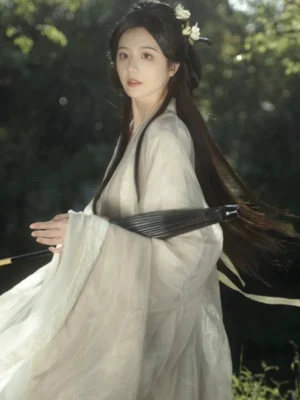
Earthy and Ethereal Tones: While bold reds and blacks exist (especially in warrior styles), the classic Wei Jin look favors soft gradients—celadon greens, misty blues, blush pinks, and pure whites.
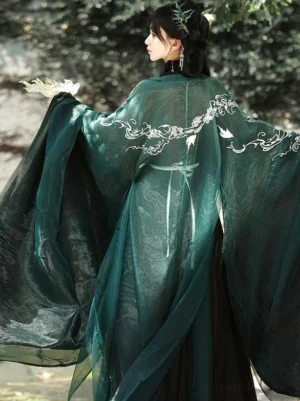
Nature Motifs: Embroidery is often delicate and asymmetrical, featuring bamboo, drifting clouds, lotus flowers, and soaring cranes, rather than the dense, heavy brocades of later dynasties.
How to Style Wei Jin Dynasty Hanfu
For Traditional Elegance: The key to “Wei Jin Feng” is the illusion of effortless grace. Pair your Qiyao Ruqun with a simple, flowing hairstyle—half-up styles secured with a single wooden or jade hairpin work perfectly. A bamboo oil-paper umbrella or a classic folding fan (Zhezhen) completes the scholarly, romantic aesthetic.
For Xianxia / Fantasy Cosplay: Embrace the drama of the wide sleeves. Layer a sheer outer robe over your Ruqun to create a “floating” effect. Utilize waist chains (Yaolian) or tassel pendants (Yaopei) to add movement and structure to the waistline. Props such as a traditional straight sword (Jian) or a Chinese zither (Guzheng) instantly elevate the outfit to immortal status.
Browse our complete selection above to discover the flowing elegance and ethereal beauty of Wei Jin Dynasty Hanfu.